water softener beads in faucet
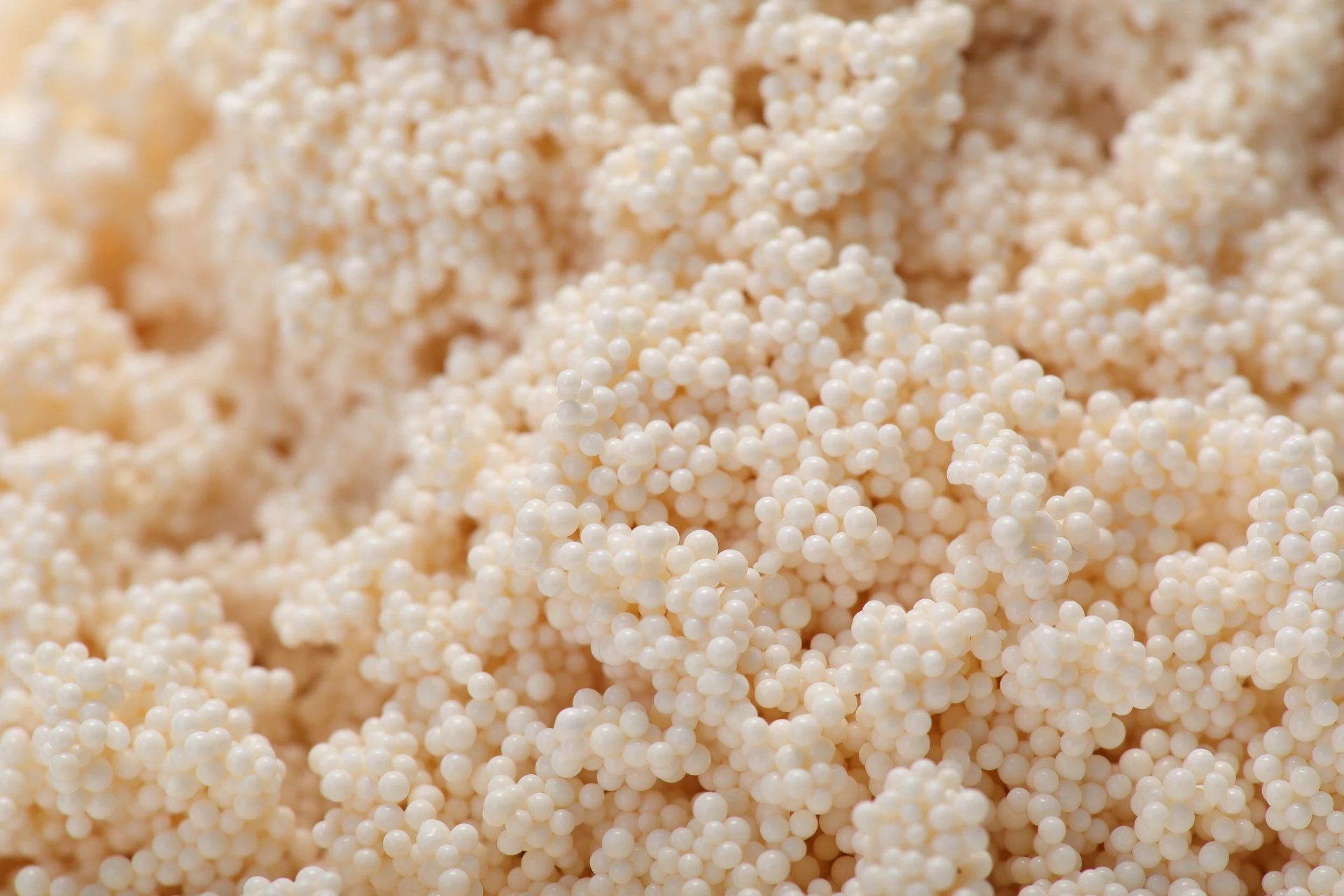
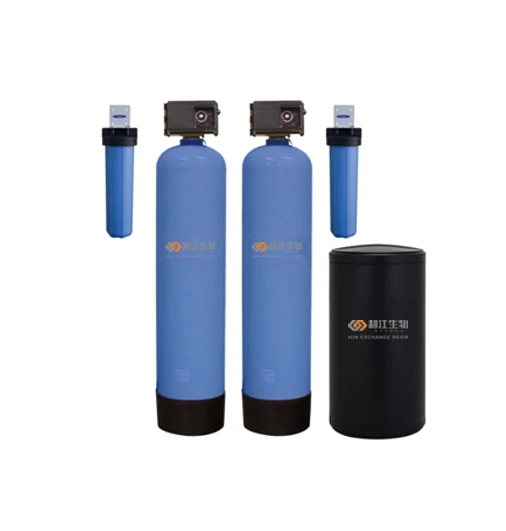
Understanding Cation Resin Water Softeners: Why They Matter Worldwide If you’ve ever felt the annoyance of hard water rings around your sink or spotted mineral buildup on your kettle, you’re experiencing firsthand what many industries and communities all over the world grapple with daily. Cation resin water softeners—those unsung heroes behind the scenes—are critical in tackling water hardness issues. But they’re so much more than just convenience gadgets. In fact, globally, these systems underpin major advances in water treatment, impacting public health, industry efficiency, and sustainability. Why does it matter so much? Because soft water reduces equipment damage, improves energy efficiency, and enhances water quality—key factors especially in regions facing water scarcity or industrial pressure. Mini takeaway: Cation resin water softeners are vital global tools that improve water quality and protect infrastructure, serving needs from household convenience to industrial necessity. Global Context: The Growing Demand for Softer Water The challenge of hard water is, surprisingly, a worldwide issue. According to the UN, over 2 billion people suffer from unreliable water access or poor water quality, a number that’s growing with urbanization and climate change (1). Industrial sectors—from food processing to power plants—face efficiency losses and costly damage due to mineral deposits from hard water. For example, the World Bank notes that scaling from hard water can cut industrial boiler efficiency by up to 20%, causing both economic drain and higher emissions (2). Cation resin water softener technologies address such problems by efficiently removing hardness-causing ions (mainly calcium and magnesium) from water, reducing scaling and improving usability across applications. Developing countries and remote zones especially benefit where water treatment infrastructure is limited, and industrial growth demands resourceful solutions. Mini takeaway: The rising global water challenge makes cation resin water softeners a practical and economical answer in both developing and industrialized areas. What Is a Cation Resin Water Softener? At its core, a cation resin water softener is a filtration system that exchanges hardness-causing cations (positively charged ions like Ca²⁺ and Mg²⁺) with sodium or potassium ions. The “cation resin” refers to the resin beads—usually polystyrene-based and manufactured with tiny pores—that attract and hold onto these hard ions. As water passes through the resin bed, calcium and magnesium are swapped out for softer ions, effectively “softening” the water. These systems are simple in design but elegantly engineered. You might think of it as a tiny mineral magnet. The technology finds itself indispensable in everything from household water softening units to vast municipal water treatment facilities, and even in humanitarian situations where clean, safe water is a lifeline. Mini takeaway: Cation resin water softeners use ion-exchange resins to trade unwanted calcium and magnesium for softer ions, making water usable and safe for various needs. Core Components of Efficient Cation Resin Water Softeners 1. Durability of Resin Material The lifespan of cation resin beads matter. Most resins are designed to last 5–15 years depending on water chemistry and maintenance. Higher-quality resins resist fouling from iron and organic matter, reducing downtime. 2. Regeneration Efficiency Softer water is only as good as the system’s ability to regenerate resin with minimal salt and water use. Innovations in brine management lower resource consumption, which is crucial as we aim for greener water solutions. 3. Capacity and Flow Rates Depending on the size and application, the resin bed must handle different volumes without losing effectiveness. Industrial-sized softeners have much larger tanks and often multi-stage designs. 4. Cost Efficiency Installation, operation, and maintenance costs all factor in. Newer resin materials and system designs increasingly balance performance with affordability, especially important in emerging markets. 5. Scalability & Customization Today’s cation resin water softeners can be tailor-made for specific hardness levels, flow demands, or even combined with other filtration systems like cation resin water softener setups for more complex water challenges. Mini takeaway: Effective water softeners rely on durable resins, economical regeneration, and flexibility to match diverse global demands. Typical Specifications of a Cation Resin Water Softener Feature Standard Value Remarks Resin Type Strong Acid Cation Exchange Resin (Type 1) High capacity, monodispersed beads Operating Temperature 5°C – 45°C Typical for residential & industrial use Capacity (grains per cubic foot) 30,000 – 50,000 Depends on hardness and flow rate Flow Rate 5 – 50 GPM (gallons per minute) Varies with system size Salt Usage 4 – 15 lbs per regeneration cycle Lower salt use preferred for sustainability Where Are Cation Resin Water Softeners Used? Real-World Applications This technology’s footprint is remarkably global and diverse. Industrial giants in the USA and Germany rely on cation resin water softeners to keep boilers and cooling towers free of scale and corrosion. In the Middle East, where water hardness is notoriously high, these units are pivotal in pretreating water for desalination plants. Remote communities in Africa and Asia use portable softening units to protect plumbing and improve water quality, often paired with NGOs supplying clean water—sort of a quiet guardian in the background. Disaster relief teams have employed these softeners post-flood to restore drinkable water safety, an often overlooked but critical role. In manufacturing sectors like textile dyeing, food & beverage, and pharmaceuticals, water softness directly impacts product quality, making these systems a non-negotiable standard. Mini takeaway: From high-tech factories to humanitarian efforts, cation resin water softeners serve diverse and vital roles worldwide. Comparing Popular Vendors of Cation Resin Water Softeners Vendor Product Range Key Strengths Pricing Global Reach ResinTech Residential, Industrial Durable resin, eco-friendly regeneration Mid-range North America, Europe AquaPure Solutions Industrial scale High capacity, custom designs Premium Global, especially MEA LiJi Resin Co. Residential to large-scale industrial Innovative resin blends, salt-efficient regeneration Competitive Asia, Africa, expanding globally Long-Term Advantages of Cation Resin Water Softeners It’s tempting to think water softening is just about preventing limescale. But the advantages ripple much farther. First, soft water protects expensive appliances and extends their lifespan—saving countless dollars and resources. Energy bills dip since boilers and heaters run more efficiently without scale. There’s also a subtle social dimension: in many communities, softened water means cleaner laundry, safer hygiene, and improved skin health. These everyday quality-of-life improvements contribute to dignity and wellbeing. Sustainability-wise, modern cation resin water softeners reduce chemical usage and water waste thanks to better regeneration cycles. The technology aligns well with growing green regulations and corporate environmental responsibility. Mini takeaway: The benefits are economic, ecological, and deeply human—making cation resin water softening a smart investment for the present and future. Emerging Trends and Innovations The field isn’t standing still. Researchers are developing resin beads that withstand tougher water conditions and resist biofouling. There’s a push toward using renewable materials for resin manufacture, cutting reliance on fossil-based plastics. Digital monitoring and IoT-enabled softeners allow real-time performance tracking, predictive maintenance, and even remote operation—making them more reliable and user-friendly. Automation optimizes salt usage and regeneration cycles. Moreover, integration with renewable energy sources like solar-powered pumps is being explored to serve off-grid locations. Mini takeaway: Future cation resin water softeners will be smarter, greener, and more adaptable than ever. Challenges & Their Emerging Solutions Hard water chemistry can be complex, sometimes requiring hybrid treatments beyond just cation resin softening. Resin fouling by iron or organic matter remains a challenge, often causing efficiency drops. Fortunately, specialized resins and pre-filtration steps mitigate these issues. Some vendors offer resin cleaning and regeneration chemicals that rejuvenate fouled resin beds. Another hurdle is public awareness—people often underestimate the impact of water hardness, delaying investment or maintenance. Education and outreach efforts are improving, with companies offering detailed diagnostics and mobile apps to help customers monitor their water quality. Mini takeaway: While challenges exist, proactive approaches, better materials, and smart tech upgrades help overcome them effectively. FAQ: Practical Questions About Cation Resin Water Softeners Q1: How often should a cation resin water softener be regenerated? A1: Typically, regeneration frequency depends on water hardness and usage but generally occurs every 2 to 3 days in residential systems. Larger industrial units have customized schedules based on flow rates. Regular regeneration keeps the resin effective and extends system life. Q2: Can cation resin water softeners remove other contaminants besides hardness? A2: Primarily, these systems target hardness-causing cations like calcium and magnesium. They are not designed to remove organic contaminants, bacteria, or heavy metals. For that, complementary filtration (e.g., activated carbon or membrane filters) is needed. Q3: What maintenance does a cation resin water softener require? A3: Maintenance typically involves checking salt levels in the brine tank, occasional cleaning of the resin bed if fouled, and periodic inspection of valves and controls. Most systems recommend professional servicing every 1–2 years. Q4: Are cation resin water softeners safe for drinking water? A4: Yes, when properly installed and maintained, softeners meet safety standards for potable water. However, softened water contains higher sodium levels, which could be a concern for sodium-restricted diets. Q5: How do I choose the right size softener for my needs? A5: Sizing depends on daily water usage and hardness levels. Many vendors provide calculators or professional consultations to match system capacity and flow rate to your situation, ensuring efficient operation without overspending. Wrapping Up: Why Cation Resin Water Softeners Are an Investment Worth Making Thinking long-term, investing in a good cation resin water softener pays dividends across industries and households alike. They reduce operational costs, enhance water quality, and align with sustainability goals without much fuss. As innovations make them smarter and greener, it’s easier than ever to integrate these essential systems into any water treatment scenario. If you want to explore reliable and cutting-edge resin solutions, do check out cation resin water softener offerings tailored for various needs worldwide. --- ### References 1. United Nations, "Water Scarcity," 2022, https://www.unwater.org/water-facts/scarcity/ 2. World Bank, "Scaling Up Water and Energy Efficiency in Industry," 2021, https://www.worldbank.org/en/topic/waterresourcesmanagement/brief/energy-water 3. ISO 14743:2019, "Water quality — Determination of ion exchange resin properties," International Organization for Standardization.
-
 Strong R & D Capability And Experienced Technical Team
-
Provide Customers With Competitive And Differentiated Products